Vacuum Robot Security & Privacy: Prevent Your Robot from Sucking Your Data
Dennis Giese demonstrates rooting flagship robotic vacuum cleaners across four vendors, exposing cloud telemetry risks and enabling offline open-source control.
Summary
The Evolution of Sensors in Smart Vacuums
Modern robotic vacuum cleaners have evolved from simple bump-and-go devices to networked camera- and microphone-equipped IoT platforms running embedded Linux and computer vision models.
Rooting Flagship Vacuum Models Across Four Vendors
Dennis Giese walks through hardware debugging interfaces, bootloader modifications, and flash memory extraction techniques to achieve root shell access on commercial vacuums.
Auditing Data Privacy and Cloud Telemetry
Inspecting filesystem contents and network traffic reveals extensive telemetry, including unencrypted floor plans, ambient audio recordings, and room photos streamed to vendor cloud servers.
Reclaiming Hardware via Open-Source Firmware
Deploying custom open-source software platforms like Valetudo enables homeowners to disconnect their vacuum robots from cloud servers while retaining full autonomous cleaning functionality.
Related talks
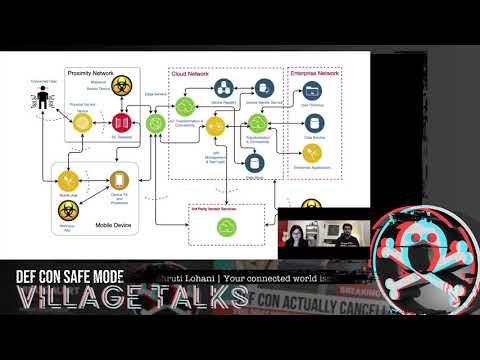
IoT Village·47 min
Dewank Pant · Shruti Lohani
Analyzes privacy risks, data leakage, and device takeover vulnerabilities across consumer smart home ecosystems.

Main Stage·40 min
Reynaldo · nyx
Reverse engineers commercial vape and sound monitoring sensors installed in school restrooms, uncovering unauthenticated telemetry feeds and cloud vulnerabilities.

Main Stage·34 min
Dennis Giese
Dennis Giese reverse engineers smart robot vacuums, hacking LiDAR, cameras, and firmware to liberate devices from proprietary cloud tracking via Valetudo.