Sentient Storage: Do SSDs Have a Mind of Their Own?
Tom Kopchak examines SSD background garbage collection and controller firmware behavior, detailing their disruptive effects on digital forensics and data destruction.
Summary
Architecture and Background
Solid state drives drives are fundamentally changing the landscape of the digital forensics industry, primarily due to the manner in which they respond to the deletion of files. Previous research has demonstrated that SSDs do not always behave in an equivalent manner to magnetic hard drives, however, the scope of these differences and the conditions that lead to this behavior are still not well understood.
Vulnerability Analysis
This basic, undeniable anomaly regarding file storage and recovery begs one simple, yet critical question: can the data being mined for evidence be trusted? This talk presents research on the forensic implications of SSDs from one of the most comprehensive studies to date.
Exploitation and Demonstrations
The goal of this study was to demonstrate and quantify differences across a sample pool of drives in an array of tests conducted in a controlled environment. These tests explored the variations between drive firmware, controllers, interfaces, operating systems, and TRIM state.
Remediation and Defensive Strategies
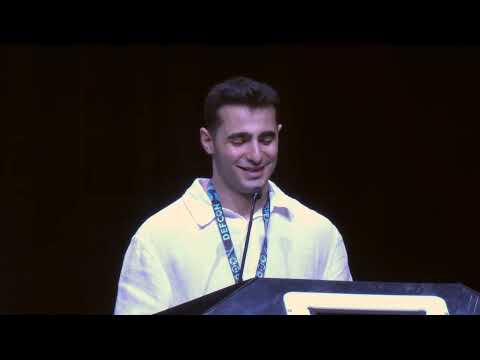
Tom Kopchak is the Director of Technical Operations at Hurricane Labs, where he pretends to manage a team of network and system engineers, but is still an engineer and technology geek at heart. While new to the DEF CON stage, Tom’s speaking experience includes numerous talks on breaking full disk encryption (including BSides LV) and numerous other talks at other conferences around the country. He holds a Master’s degree in Computing Security from the Rochester Institute of Technology. When he is not working with computers, Tom enjoys composing, music improvisation (Acts of Music), and playing both the piano and organ.
Related talks
Main Stage·38 min
David Ledbetter
Demonstrates physical and firmware attack vectors against Windows Recovery environments to extract BitLocker encryption keys from TPM and memory.

Main Stage·41 min
Jeroen 'Jeroen' Domburg
Demonstrates hardware hacking and reverse engineering to run custom Linux kernels and open software on inexpensive USB webcams.

Main Stage·55 min
Jan Berens · Marcell Szakály · Sebastian Köhler
Discloses vulnerabilities in QCA 7000 HomePlug modems used across CCS and NACS EV charging systems that enable communication hijacking and denial of service.