Safecracking for Everyone
Introduces the mechanical principles, operational vulnerabilities, and manipulation techniques used in combination safecracking.
Summary
Mechanical Safe Lock Architecture
Mechanical combination safes rely on wheel packs, drive cams, and fence mechanisms to secure locking bolts. Understanding how these mechanical components interact is fundamental to evaluating safe security.
Vulnerabilities in Wheel Pack Designs
Manufacturing tolerances, mechanical friction, and contact point dynamics introduce physical feedback cues into combination dial rotations.
Principles of Safe Manipulation
Safecracking via manipulation relies on systematically measuring wheel gate signatures and contact points, determining combination numbers non-destructively without drilling or damaging the safe.
Locksport and Physical Security Insights
Mastering safe manipulation provides security practitioners with practical insights into mechanical bypass techniques and the defensive design requirements for high-security containers.
Related talks

Main Stage·42 min
Mark Omo · James Rowley
Reverse engineers electronic gun safes and commercial digital vaults, demonstrating effortless physical and electromagnetic bypasses across leading brands.
Main Stage·40 min
Dennis Giese · braelynn
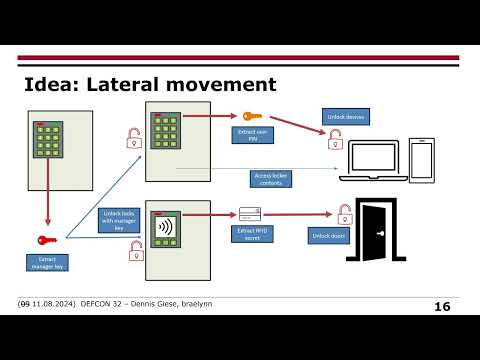
Security evaluation and hardware attack surface analysis of smart electronic lockers and storage cabinets.

Main Stage·47 min
Roy Davis
Roy Davis evaluates modern retail ATM defenses, demonstrating physical bypasses, electronic lock manipulation, and safe compromise techniques that defeat recent security patches.