Reflections on a Decade in Bug Bounties
Shares insights from ten years of bug bounty hunting, focusing on bug chaining strategies and collaboration between hunters and triage teams.
Summary
Ten Year Bug Bounty Journey
Transitioning from an entry-level researcher submitting low-impact findings to a seasoned bug hunter requires continuous learning, embracing duplicate reports, and refining testing methodologies over time.
Chaining Low Severity Findings for High Impact
High-value vulnerability research relies on chaining seemingly minor informational or low-severity flaws into critical application exploits that demonstrate tangible business risk.
Understanding the Triage Perspective
A triage specialist from Synack explains the criteria triage analysts use to evaluate bug submissions, clarifying the distinction between researcher viewpoints and client risk assessments.
Actionable Advice for Aspiring Hunters
Developing strong communication skills, submitting clear reproduction steps, and collaborating constructively with triage teams improves report acceptance rates and builds sustainable bounty careers.
Related talks

Creator Stage·57 min
Bug bounty program managers and researchers discuss submission quality, triage dynamics, and strategies for maturing bug bounty programs.

Creator Stage·25 min
Whit Taylor
Uncovers client-side gadgets, race conditions, and business logic flaws hidden within referral and reward systems across major bug bounty programs.
Creator Stage·52 min
Daniel 'Blaklis' Le Gall
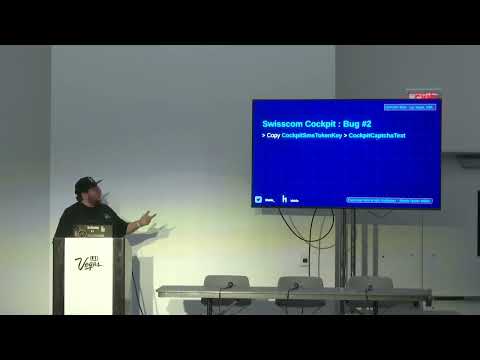
Recounts intriguing bug bounty stories ranging from simple logic errors to chaining CAPTCHA weaknesses to break sensitive application encryption.