Structured Analytical Techniques for Improving InfoSec
Rabbit refactors CIA Structured Analytic Techniques (SAT) for cybersecurity, eliminating cognitive bias and improving incident response investigations.
Summary
Cognitive Biases in Security Analysis and DFIR
Incident responders and threat intelligence analysts frequently suffer from cognitive biases—such as confirmation bias and anchoring—leading to flawed attribution and missed root causes.
Adapting CIA Structured Analytic Techniques
Rabbit refactors analytical methodologies published in the CIA's tradecraft manual for practical application in infosec investigations and OSINT research.
Applying Core Analytical Frameworks
The author demonstrates applying Analysis of Competing Hypotheses (ACH), Devil's Advocacy, and Red Team Analysis to evaluate incident telemetry objectively.
Improving Investigative Rigor and Reporting
The presentation provides security teams with structured templates to document evidence, evaluate assumptions, and produce rigorous, defensible analytical conclusions.
Related talks

Videos·1 hr 3 min
Presenters detail vulnerability discovery and exploitation in Threat Hunting Research Methodology: A Data Driven Approach by Roberto & Jose Luis Rodriguez.
Black Hat Europe 2025·40 min
Michael Robinson
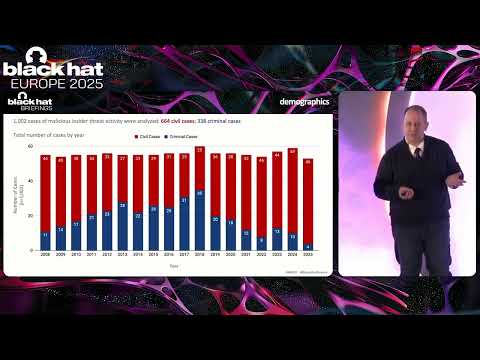
Security researchers examine technical aspects of Understanding Trends & Patterns In Insider Threat: Analysis Of 1,000+ Cases.

Ekoparty Security Conference·43 min
Cesar Soto
Analyzes practitionersm DA and now what?: Internal facts and methodology and evaluates key implications for security practitioners.