Pilot Reactions to Attacks on Avionic Systems
Evaluates how 30 commercial pilots respond in flight simulators to simulated ADS-B, ACARS, and IFE cyberattacks.
Summary
Theoretical Attacks Versus Operational Reality
While academic researchers have demonstrated technical exploits against ADS-B, ACARS, and in-flight entertainment systems, assessing real-world safety impacts requires evaluating human pilot reactions.
Flight Simulator Study with Commercial Pilots
Researchers conducted controlled experiments using certified commercial flight simulators and thirty type-rated airline pilots to observe responses to unexpected instrument deceptions.
Ghost Targets and False Collision Alerts
Injecting counterfeit traffic alerts tested whether flight crews could identify spurious collision warnings or if deceptive displays compelled pilots to initiate evasive maneuvers.
Landing Guidance Manipulation and Recovery
Simulated spoofing of approach guidance evaluated how flight crews detect deceptive localizer and glide path signals during critical descent phases, emphasizing pilot training and cockpit cross-checks.
Related talks
Aerospace Village·26 min
Alex Lomas
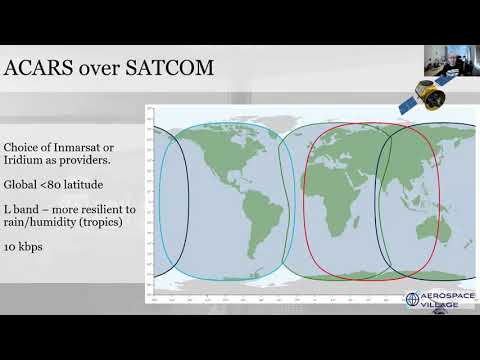
Introduces the ACARS protocol, demonstrates live message decoding with an RTL-SDR, and reviews risks in CPDLC datalinks.

Aerospace Village·30 min
Nathalie Feyt · Lawrence Rowell · Yannick Le Ray
Shows how red and blue teams collaborate using a hack-and-fix methodology to harden avionics, in-cabin entertainment, and ATM systems.

Aerospace Village·30 min
Nicholas Childs
Nicholas Childs demystifies aircraft avionics communication buses, providing a foundational primer on ARINC 429, MIL-STD-1553, and cockpit data networks.