Knowing What Risks Matter — And Don’t — In Your Open Source
Where
Talks
LASCON 2022
Duration
42 min
Shows how library usage, age, and exploitability data can help teams prioritize open source risk beyond raw CVSS scores.
Summary
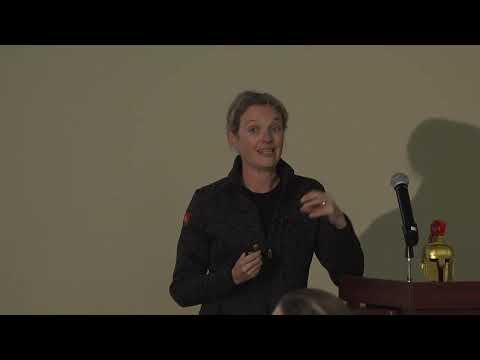
The talk opens with the pressure developers face to ship quickly, and how open source components make that possible while widening the attack surface. The speaker points to software supply chain incidents such as SolarWinds and dependency confusion, and argues that heavier use of open source raises exposure. Telemetry gathered from thousands of applications frames the discussion.
The middle section walks through findings on library use. Only a small share of the code in a typical application is actually invoked, and many packaged libraries are never active. Libraries are often years old, and the likelihood of serious vulnerabilities rises as they age. The speaker says legacy software composition analysis tools produce many false positives, using a Log4j example where a library flagged on endpoints was never reached. Exposure is compared across Java, .NET and Node ecosystems, and licensing risk is covered, including copyleft and high-risk licenses.
The closing section proposes layering context on top of CVSS: whether a library is active, its age, whether vulnerable code is reachable, and exploit likelihood from EPSS and exploit-chatter trackers. Practitioners are advised to agree triage policies with developers, involve legal teams on licensing, and embed continuous checks in CI/CD so teams address the riskiest issues first.
Related talks
Talks·55 min
Kadi McKean
Walks developers through evaluating open source dependencies for security, licensing, tampering and maintenance risk before adoption.

Talks·51 min
James Scott
Covers ten open source risks beyond known vulnerabilities, from compromised packages to untracked and oversized dependencies.

Talks·54 min
Akanksha Pathak
Shows startups how to secure their software supply chain using free tools, SBOMs, and low-cost vendor controls.