I Am Groot: Examining the Guardians of Windows 10 Security
Chuanda Ding dissects the internal architecture of Windows 10 security mitigations and explains how advanced exploit techniques bypass Defender protections.
Summary
Architecture and Background
Following successive Pwn2Own competitions, Microsoft systematically fortified Windows 10 and Microsoft Edge by integrating layered exploit mitigations throughout the kernel and user-mode execution subsystems. These protections, frequently branded under the Windows Defender Guard suite, aim to disrupt common exploit primitives.
Vulnerability Analysis
Exploitation defenses including Control Flow Guard (CFG), Arbitrary Code Guard (ACG), and Code Integrity Guard (CIG) introduce architectural barriers against memory corruption, return-oriented programming (ROP), and unapproved dynamic executable memory allocation. Understanding the boundary limitations of these guards is essential for both defense and offensive research.
Exploitation and Demonstrations
Ding delivers an insider technical breakdown of Windows 10 mitigation internals based on real-world exploit development and Pwn2Own competitive findings. He demonstrates how sophisticated attackers bypass security controls through data-only attacks, indirect call manipulation, and sandbox escape chains.
Remediation and Defensive Strategies
Enterprise defenders should enforce hardware-enforced stack protection, enable Virtualization-based Security (VBS), and configure Windows Defender Exploit Guard policies across all critical endpoints. Continuously validating mitigations against emerging evasion techniques ensures comprehensive platform defense.
Related talks
Main Stage·39 min
Neil Sikka
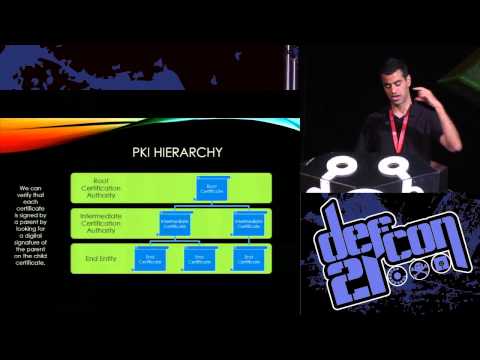
Neil Sikka explores emet 4 0 pki mitigation at DEF CON 21, examining exploit-mitigation and practical defenses.

RomHack·53 min
Alex Plaskett · McCaulay Hudson
Analyzes alex Plaskett & McCaulay Hudson - Revving up: the journey to pwn2own automotive 2024 and evaluates key implications for security practitioners.

TROOPERS24·1 hr 1 min
Explores deep Dive into Windows Defender: Smart App Control and ETW and evaluates key implications for security practitioners.