Evidence-Based Elections and Risk-Limiting Audits
This recording is not on YouTube. It plays from the DEF CON media server; the button opens the file there.
Where
Voting Village
DEF CON 34
Duration
44 min
Explains risk-limiting audits, which use random ballot sampling to confirm that reported election winners really won, and why they depend on a trustworthy paper trail.
Summary
The talk argues that counting an election by procedure is not enough. Election officials should be able to show affirmative evidence that the reported winners really won, and physical security, chain of custody, and rigorous ballot accounting are what make that possible. The speaker traces how audit thinking moved from checking whether machines work correctly, to detecting miscounts, to a standard built around correcting wrong outcomes.
The core method is the risk-limiting audit, defined by a known maximum chance of failing to correct a wrong result. The speaker explains ballot polling, where ballots are drawn at random and the audit keeps sampling until the evidence is strong enough, or until it falls back to a full hand count. A betting-game analogy and a 1939 inequality show why a large winning stake is unlikely if the reported outcome is false. The talk also covers how audits handle multiple contests and social choice rules, and gives workload figures for a large county.
The closing section warns about misuse. Audits run after certification, audits that check only a few contests, and audits built on an untrustworthy paper trail do not limit risk and can hide real problems. Practitioners should verify ballot accounting, chain of custody, and a trustworthy upper bound on ballots before auditing.
Materials
Related talks

Voting Village·22 min
Matt Blae · Brian Demouth · Jake Braun · David Jefferson · Philip Stark · Kendall Spencer
Introduces the DEF CON Voting Village's origins, its founders, and the election security research planned for the 2026 program.

Main Stage·47 min
Vitaly Simonovich
Shows how LLM-assisted research turned five open-source C2 frameworks into a source of flaws that defenders can use against attacker infrastructure.
Voting Village·30 min
Tori Noble
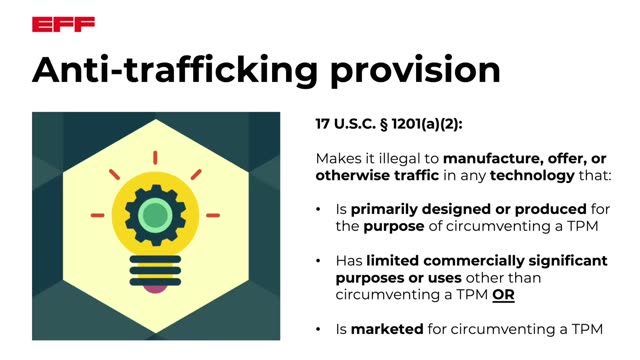
Explains how DMCA Section 1201 affects election security researchers, covering technical protection measures, the narrow statutory exemptions, and the temporary good-faith research exemption.